


Natural Alternatives to HRT for Perimenopause
Last Updated: October 23, 2026
Quick Summary
Natural alternatives to HRT for perimenopause include magnesium for sleep and mood, vitamin D and calcium for bones, and black cohosh for hot flushes. Expect two to four weeks for sleep and mood, six to eight weeks for flushes, and up to three months for bone or skin.
- Magnesium bisglycinate is the gentlest on the gut for sleep, tension and mood.
- Speak to your GP before black cohosh if you have a history of liver disease.
- Take magnesium in the evening rather than the morning to support relaxation.
- Strength training twice a week helps protect bone density and muscle mass.
- Introduce one new supplement at a time, two weeks apart.
Table of Contents
- Why Women Look for Natural Alternatives to HRT for Perimenopause
- Perimenopause Supplements: What the Evidence Actually Supports
- Black Cohosh for Menopause: What to Know Before You Try It
- What to Take for Menopause Anxiety Without HRT
- How Long Do Natural Remedies Take to Help Perimenopause Symptoms?
- Lifestyle Changes That Work Alongside Natural Alternatives to HRT
- Safety, Interactions and When to Speak to Your GP
- Conclusion
- Frequently Asked Questions
Why Women Look for Natural Alternatives to HRT for Perimenopause
Natural alternatives to HRT for perimenopause have moved from the margins into the mainstream, and it is easy to see why. HRT remains the most effective treatment for many symptoms, but it is not right for everyone, and a growing number of women want to explore non-hormonal options first. This guide from Zourra sets out what the evidence actually supports, what to skip, and how to tell whether something is working.
The first thing to understand is that "natural" is a marketing word, not a medical one. Black cohosh is natural. So is hemlock. What matters is whether an ingredient has been studied, whether the dose matches the research, and whether it interacts with anything else you take.
Perimenopause Supplements: What the Evidence Actually Supports
Perimenopause supplements fall into two broad groups: those with a plausible mechanism and some clinical backing, and those sold on tradition alone. The honest answer is that the strongest evidence sits with a small number of ingredients, and the rest is largely anecdotal.
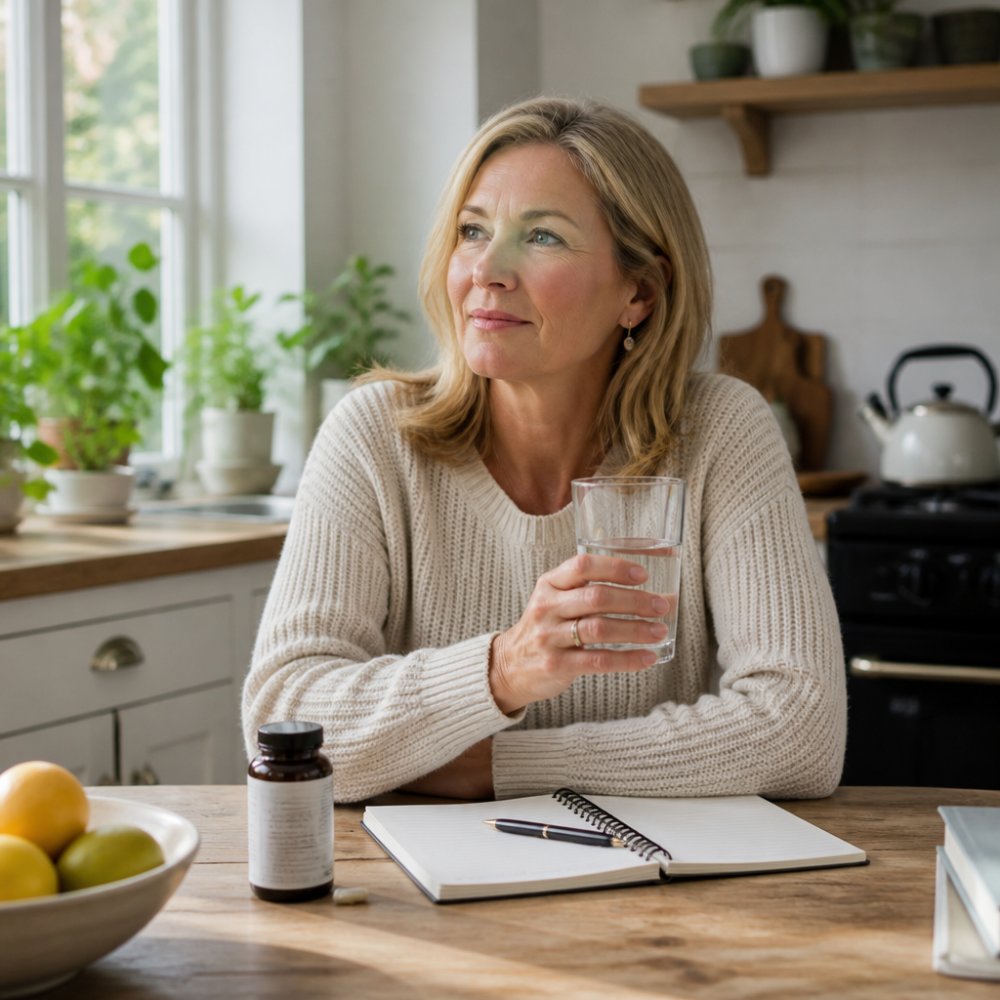
What holds up best:
- Magnesium for sleep, muscle tension and low mood. Glycinate is the gentlest on the gut.
- Vitamin D and calcium for bone maintenance, which matters more as oestrogen falls.
- Black cohosh for hot flushes, with caveats covered below.
- Botanical blends aimed at hormonal regulation and psychological function, where the individual ingredients have a recognised nutritional role.
What tends to disappoint: mega-dose single vitamins, "hormone balancing" teas, and anything promising results in a week.
Comparing the Options: A Quick Reference Table
| Option | Best For | Realistic Timeline | Watch Out For |
|---|---|---|---|
| Magnesium bisglycinate | Sleep, tension, mood | 2-4 weeks | Loose stools at high doses |
| Vitamin D plus calcium | Bone support | Months | Rarely a standalone fix |
| Black cohosh | Hot flushes | 4-8 weeks | Liver caution, GP check first |
| Botanical hormone blends | Overall picture | 6-12 weeks | Check interactions |
| Lifestyle changes | Energy, mood, sleep | 2-6 weeks | Slow, unglamorous, effective |
Black Cohosh for Menopause: What to Know Before You Try It
Black cohosh for menopause is the most studied herbal option for hot flushes, and the results are mixed but not dismissible. Some trials show a meaningful reduction in flush frequency; others show no difference from placebo. The usual dose in research is standardised extract, not raw root.

Two caveats matter. First, there are rare reports of liver problems, so anyone with a history of liver disease should speak to their GP before starting. Second, it is not a long-term solution, and it should not be combined with HRT without medical advice. If flushes are your main symptom and you want to try it, give it six to eight weeks before judging.
What to Take for Menopause Anxiety Without HRT
What to take for menopause anxiety without HRT comes down to calming the nervous system rather than chasing oestrogen. Anxiety in perimenopause is driven partly by fluctuating hormones and partly by broken sleep, and the two feed each other.
Magnesium supports normal psychological function and normal nervous system function, which is why it appears in so many sleep and mood formulas. Botanicals with a traditional calming role are worth considering, provided the product states its dose clearly. Our own approach at Zourra is to combine nutrients with a recognised role in psychological function rather than relying on a single hero ingredient.
How Long Do Natural Remedies Take to Help Perimenopause Symptoms?
How long do natural remedies take to help perimenopause symptoms? Expect two to four weeks for sleep and mood, six to eight weeks for hot flushes, and up to three months for anything touching bone or skin. Anyone promising faster is selling, not treating.
Harmony Complex Hormone Support Supplement →
The reason is biological. Nutrients rebuild slowly, and botanical extracts work through gradual pathways rather than a single switch. Keep a simple symptom diary for the first eight weeks. Memory is unreliable here, and a written record is the only way to know whether the change is real.
Lifestyle Changes That Work Alongside Natural Alternatives to HRT
Lifestyle changes are the least exciting part of this conversation and the most reliable. They also make supplements work better, because a body that is sleeping and moving responds more predictably than one running on five hours a night.
The highest-return changes:
- Strength training twice a week to protect bone density and muscle mass.
- A consistent sleep and wake time, even at weekends.
- Cutting evening alcohol, which triggers flushes in many women.
- Protein at every meal to support muscle and steady energy.
Safety, Interactions and When to Speak to Your GP
Safety is where natural alternatives to HRT for perimenopause deserve the most caution. "Natural" does not mean free of interactions. St John's wort, for example, reduces the effectiveness of several prescription medicines, and high-dose vitamin K interferes with anticoagulants.
Speak to your GP before starting anything if you take prescription medication, have liver or kidney conditions, or have a history of hormone-sensitive cancer. The NHS guidance on menopause symptoms and treatment is a sensible starting point, and the MHRA's advice on herbal medicines explains how herbal products are regulated here.
If symptoms are severe, do not treat supplements as a substitute for a proper conversation about HRT. Non-hormonal prescription options exist, and your GP can talk you through them.
Conclusion
The challenge is that perimenopause arrives with a dozen symptoms at once, and no single ingredient addresses all of them. That is why we built our range around the whole picture rather than one symptom: the Harmony Complex supports hormonal regulation and normal psychological function, Magnesium Bisglycinate covers sleep, mood and muscle recovery, and the Desire Blend supports hormonal activity and feeling grounded. Every formula is made in the UK in GMP-certified facilities and backed by a 90-day guarantee. Find your formula and give it a proper twelve weeks.


Frequently Asked Questions
What are the best natural alternatives to HRT for perimenopause?
There is no single best option, because perimenopause symptoms vary so much from woman to woman. The most commonly used natural alternatives include black cohosh for hot flushes, magnesium for sleep and muscle tension, and broad-spectrum perimenopause supplements combining vitamins and botanicals to support hormonal activity and psychological function. Lifestyle measures such as strength training, reducing alcohol and caffeine, and consistent sleep routines work alongside these. What suits you depends on your main symptoms, your medical history and any medicines you take, so it is worth discussing any new supplement with your GP or pharmacist first.
Can you manage perimenopause naturally without HRT?
Many women do manage mild to moderate perimenopause symptoms without HRT, using a combination of supplements, diet, exercise and sleep support. Natural approaches tend to work best for symptoms such as tiredness, low mood, poor sleep and mild flushes. If symptoms are severe, or you are at higher risk of osteoporosis, HRT remains the most effective treatment for many women and is not something to avoid out of fear. The two approaches are not mutually exclusive either, and some women use supplements alongside prescribed treatment under medical guidance.
Are natural menopause supplements safe to take with other medicines?
Not always. Herbal ingredients can interact with prescription medicines, including blood thinners, blood pressure medication, thyroid treatment and some antidepressants. Black cohosh in particular has been linked to rare liver concerns, so anyone with a history of liver problems should avoid it. Always check the label, tell your GP or pharmacist about every supplement you take, and bring the actual packaging to your appointment so they can check the ingredients. If you are on several medications, a quick review with a pharmacist is a sensible first step before adding anything new.
How long do natural remedies take to help perimenopause symptoms?
Most natural remedies need consistent daily use for several weeks before you notice a difference. Magnesium for sleep and muscle tension is often felt within one to two weeks, while botanical and multivitamin-style supplements typically need six to twelve weeks of steady use. Herbal options such as black cohosh are usually assessed after around eight to twelve weeks. Keep a simple symptom diary so you can judge whether something is helping rather than relying on memory. If nothing has changed after three months of consistent use, it is worth reviewing your approach with your GP.
What can I take for perimenopause anxiety without HRT?
Magnesium supports normal psychological function and nervous system function, and is a common starting point for women dealing with anxiety and irritability. Botanical blends aimed at hormonal activity and psychological function are another option, alongside talking therapies such as CBT, which the NHS offers for anxiety and low mood. Regular exercise, cutting back on caffeine and alcohol, and protecting your sleep all make a measurable difference. If anxiety is affecting your work or relationships, speak to your GP, because perimenopause anxiety is treatable and you do not have to manage it alone.

