


Natural Remedies for Menopause Symptoms: 2026 Guide
Table of Contents
- How Natural Remedies Fit Into Menopause Care
- Herbal Supplements for Menopause: What the Evidence Says
- Lifestyle Changes for Hot Flushes That Make a Real Difference
- Managing Menopause Brain Fog at Work and Home
- Diet, Sleep and Movement: Everyday Natural Remedies for Menopause Symptoms
- When to See Your GP About Menopause Symptoms
- Building a Natural Remedy Routine That Sticks
- Frequently Asked Questions
Last Updated: September 18, 2026
How Natural Remedies Fit Into Menopause Care
Natural remedies for menopause symptoms are non-pharmaceutical approaches, including herbal supplements, dietary changes, and lifestyle adjustments, that aim to ease symptoms such as hot flushes, poor sleep, and low mood. They work alongside, not instead of, medical care. This guide from Zourra examines what the evidence actually supports.
The appeal is obvious. Symptoms can last years, and many women want options they can control day to day. What most guides get wrong is treating every remedy as equally proven. Some have reasonable evidence behind them; others rest on tradition alone. Knowing the difference saves you money and disappointment.
Below, we break down the herbal, dietary, and lifestyle approaches worth your time, and flag the ones to approach with caution.
Herbal Supplements for Menopause: What the Evidence Says
Herbal supplements for menopause are plant-derived products taken to ease symptoms, and the evidence for them varies widely. Some show modest benefit in studies; others perform no better than a placebo. Here is where the main contenders stand.
Black Cohosh, Red Clover and Sage
Black cohosh is a North American plant long used for hot flushes. Trials have produced mixed results, with some showing modest relief and others finding no difference from placebo. Red clover contains isoflavones, plant compounds that weakly mimic oestrogen; evidence for hot flush relief is limited and inconsistent. Sage has a long folk history for excessive sweating, and small studies suggest it may reduce flushing frequency, though the research base is thin.
None of these is a guaranteed fix. If you try one, give it a fair trial of several weeks and track your symptoms honestly.
Safety, Interactions and the UK Regulatory Picture
Herbal does not mean risk-free. In the UK, herbal medicines are regulated by the Medicines and Healthcare products Regulatory Agency, which operates a traditional herbal registration scheme for products meeting safety and quality standards. Look for a THR mark on the label.
Black cohosh has been linked to rare cases of liver problems, so anyone with liver conditions should avoid it. Red clover and sage may interact with blood-thinning medication, and isoflavones can interfere with hormone treatments. Always check with a pharmacist or GP before combining herbs with prescription medicines.
Lifestyle Changes for Hot Flushes That Make a Real Difference
Lifestyle changes for hot flushes target the triggers that set them off, and for many women they deliver more reliable relief than any supplement. The approach is simple: identify your patterns, then reduce the exposures that spark symptoms.
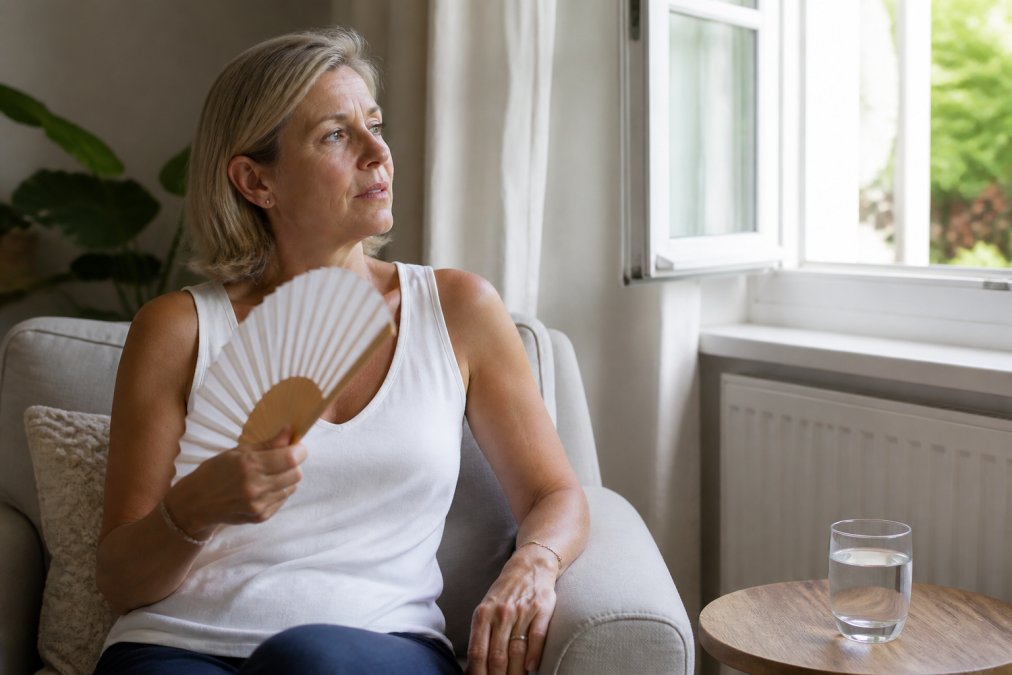
Common triggers include spicy food, alcohol, caffeine, and sudden temperature shifts. Practical adjustments that help:
- Dress in layers you can remove quickly
- Keep a cold drink and a fan within reach at work and at home
- Lower bedroom temperature and use breathable bedding
- Note what you ate or did before each flush to spot your own patterns
A common mistake is overhauling everything at once. Change one variable at a time so you can tell what actually helps.
Managing Menopause Brain Fog at Work and Home
Managing menopause brain fog starts with accepting it is real and adjusting your systems, not your willpower. Brain fog describes the slowed recall, word-finding difficulty, and reduced concentration many women report during perimenopause and menopause. It is a recognised symptom, not a character flaw.
At work, externalise memory. Write everything down, use calendar reminders, and batch similar tasks together. Protect your peak concentration hours for demanding work and schedule routine admin for your slower periods. At home, keep keys, glasses, and medication in fixed spots.
Sleep loss makes fog worse, so treat sleep as a priority rather than a luxury. If symptoms are affecting your performance or safety at work, tell your manager or occupational health team. Adjustments are often straightforward once the cause is understood.
Diet, Sleep and Movement: Everyday Natural Remedies for Menopause Symptoms
Everyday natural remedies for menopause symptoms come down to three foundations: what you eat, how you sleep, and how you move. None is dramatic on its own. Together they shape how severe your symptoms feel.
For diet, prioritise calcium and vitamin D for bone health, which declines faster after menopause. Oily fish, leafy greens, and fortified foods help. Limit alcohol and caffeine, both of which aggravate flushes and disrupt sleep. For sleep, keep a consistent bedtime, avoid screens late, and keep the room cool. For movement, weight-bearing exercise supports bone density, while regular walking or swimming lifts mood and energy.
Many women find a structured supplement routine helps fill genuine gaps. Zourra's Harmony Complex combines vitamins and botanicals formulated to support hormone regulation, normal psychological function, and bone maintenance. The Magnesium Bisglycinate supports muscle and nervous system function and normal energy metabolism, which matters when fatigue is constant.


| Foundation | What to Do | Why It Helps |
|---|---|---|
| Diet | Calcium, vitamin D, less alcohol and caffeine | Supports bones, reduces flush triggers |
| Sleep | Fixed bedtime, cool dark room | Eases fog and mood swings |
| Movement | Weight-bearing exercise, walking | Protects bone density, lifts energy |
When to See Your GP About Menopause Symptoms
See your GP if symptoms are disrupting your sleep, work, or relationships, or if you notice bleeding after menopause, which always needs investigation. You do not have to wait until things become unbearable. Menopause care is a legitimate reason to book an appointment.
Bring a symptom diary covering at least a month. Note frequency, severity, and what makes things better or worse. Ask about all your options, including hormone replacement therapy, non-hormonal prescription treatments, and lifestyle support. For guidance on what to expect from the appointment, see the NHS menopause overview.
Tell your GP about any supplements you take. Some interact with medication, and your doctor needs the full picture to advise safely. If you have other health conditions or take several medicines, this conversation matters even more.
Building a Natural Remedy Routine That Sticks
A routine that sticks is built around consistency, not intensity. Pick two or three changes you can genuinely sustain, set a fixed time for each, and review after eight to twelve weeks. Scattered effort produces scattered results.
Start with the foundations: sleep, diet, and movement. Add a supplement only where you have a genuine gap, and give it a fair trial before judging. Track your symptoms in a simple notebook or app so you can see trends rather than relying on memory.
The thing nobody tells you about menopause support is that patience matters more than perfection. Symptoms shift over months, and so does what works. Review, adjust, and keep what helps.
Menopause symptoms rarely resolve overnight, and finding what works takes patience and honest tracking. At Zourra, we make that easier with UK-made, evidence-led supplements designed for women over 40, including the Focus Complex for mental fatigue and the Desire Blend for hormonal activity and psychological wellbeing. Every formula is backed by a 90-day guarantee. Find your formula with Zourra and build support that fits your life.

Frequently Asked Questions
What are the most effective natural remedies for menopause symptoms?
There is no single remedy that works for everyone. Herbal supplements for menopause such as black cohosh and red clover have some evidence for hot flushes, while magnesium supports sleep and nervous system function. Lifestyle changes for hot flushes, including keeping rooms cool and avoiding triggers like caffeine and alcohol, help many women. A combination of approaches usually works better than relying on one remedy alone.
Can lifestyle changes really help with hot flushes?
Yes, for many women they make a noticeable difference. Reducing caffeine, alcohol and spicy food, wearing layered clothing, and keeping your bedroom cool can lower how often hot flushes occur. Regular movement, staying hydrated and managing stress also help. These lifestyle changes for hot flushes work best alongside other support, and it is worth tracking your triggers for a few weeks to see your own patterns.
Are herbal supplements safe for menopause?
Many herbal supplements for menopause are generally well tolerated, but they are not risk-free. Some, including St John's wort, interact with prescription medicines such as antidepressants. If you take medication for blood pressure, thyroid function or blood thinning, speak to your GP or a pharmacist before starting any herbal supplement. Always buy from a reputable supplier and follow the label directions.
When should I consult a GP about my menopause symptoms?
See your GP if symptoms are affecting your daily life, work or relationships, or if you are unsure whether you are in perimenopause. Also seek advice if you have symptoms before age 45, unusual bleeding, or if you take medicines that could interact with supplements. Your GP can confirm the stage of menopause, discuss treatment options and check for other conditions that can mimic symptoms such as an underactive thyroid.
