


Menopause Support vs Hormonal Balance for Libido
Table of Contents
- Understanding the Two Approaches to Low Libido
- Menopause Support vs Hormonal Balance: Key Differences
- How to Balance Hormones Naturally for Libido
- The Role of Food Supplement Magnesium in Hormonal Support
- Comparing Supplement Options for Libido Support
- Which Approach Is Right for You?
- Frequently Asked Questions
Last Updated: September 30, 2026
Understanding the Two Approaches to Low Libido
Support for menopause and perimenopause targets the symptoms that disrupt daily life, while improved hormonal balance aims at the underlying shift driving those symptoms. They overlap, but they are not the same strategy, and knowing which one you actually need changes everything about how you choose a supplement.
This guide from Zourra breaks down both approaches, where they diverge, and how to tell which fits your situation.
The distinction matters because the two routes produce different results. Menopause support tends to address how you feel day to day: sleep, mood, energy, focus. Hormonal balance work looks at the wider system, including the drivers of libido, which rarely come down to a single cause.
What Menopause and Perimenopause Support Actually Means
Menopause support is the practice of managing the symptoms that arise as oestrogen and progesterone decline, rather than trying to reverse the decline itself. It covers sleep disruption, mood swings, brain fog, fatigue, and changes in sexual interest.
During perimenopause, the years leading up to the final period, hormone levels fluctuate unpredictably. Symptoms can appear years before periods stop and continue well after. A support-led approach accepts that fluctuation as the backdrop and works on the symptoms it creates.
That is why support formulas often combine several nutrients rather than one. The goal is steadier days, not a single dramatic change.
What Improved Hormonal Balance Means for Libido
Improved hormonal balance means supporting the body's own regulation of the hormones that influence desire, mood, and energy. Libido is not governed by one hormone. Oestrogen, testosterone, and stress hormones such as cortisol all play a part, and they interact.
Low desire during perimenopause usually reflects several shifts at once: falling oestrogen, disrupted sleep, and higher stress load. Balancing hormones naturally, where possible, means addressing those inputs together rather than chasing one number.
This is the key difference. Support manages symptoms. Balance work targets the system producing them.
Menopause Support vs Hormonal Balance: Key Differences
The two approaches differ in focus, timeline, and what they measure. Support is symptom-led and often delivers quicker, more noticeable relief. Balance work is system-led and tends to build more gradually.
| Feature | Menopause Support | Hormonal Balance |
|---|---|---|
| Primary focus | Day-to-day symptoms | Underlying regulation |
| Typical target | Sleep, mood, energy, focus | Libido, mood, energy stability |
| Timeline | Noticeable within weeks | Builds over months |
| Best for | Managing disruptive symptoms | Supporting desire and steady mood |
| Approach | Combined nutrients | Regulation-focused nutrients |
Neither approach is superior. They answer different questions, and many women benefit from elements of both.
How to Balance Hormones Naturally for Libido
Balancing hormones naturally starts with the foundations: sleep, stress, movement, and nutrition. No supplement compensates for a body running on too little sleep and too much stress.
Practical steps that support hormonal balance:
- Prioritise consistent sleep and wake times, even at weekends
- Reduce caffeine after midday to protect sleep quality
- Include protein and healthy fats at each meal to steady blood sugar
- Move daily, mixing gentle cardio with strength work
- Manage stress deliberately through breathing, walking, or time outdoors
A common mistake is treating these as optional extras. In practice, they are the base layer. Supplements work best on top of them, not instead of them.
NHS guidance on menopause symptoms and treatment sets out the recognised symptoms and the options available, which is a sensible starting point before adding any supplement.
The Role of Food Supplement Magnesium in Hormonal Support
Food supplement magnesium plays a supporting role in hormonal balance because the body uses it in hundreds of processes, including muscle function, nervous system function, and normal psychological function. It is one of the most common nutrient gaps in midlife diets.
Desire Blend Women’s Botanical →
Magnesium does not act as a hormone. Instead, it supports the systems that hormones depend on: restful sleep, steady mood, and normal muscle function. Women who sleep poorly often notice the difference first.
Where magnesium fits best is in a combined formula rather than on its own. It works alongside other nutrients rather than replacing them.
Comparing Supplement Options for Libido Support
Choosing between formulas comes down to what you want to address first. Zourra makes three targeted supplements for women over 40, each built around a different need.
Desire Blend Women's Botanical Supplement (£29.00) is the most direct fit for libido. It is a botanical formulation designed for women over 40, combining essential nutrients, vitamins, and botanicals in a balanced daily supplement. Its ingredients contribute to the regulation of hormonal activity and to normal psychological function.

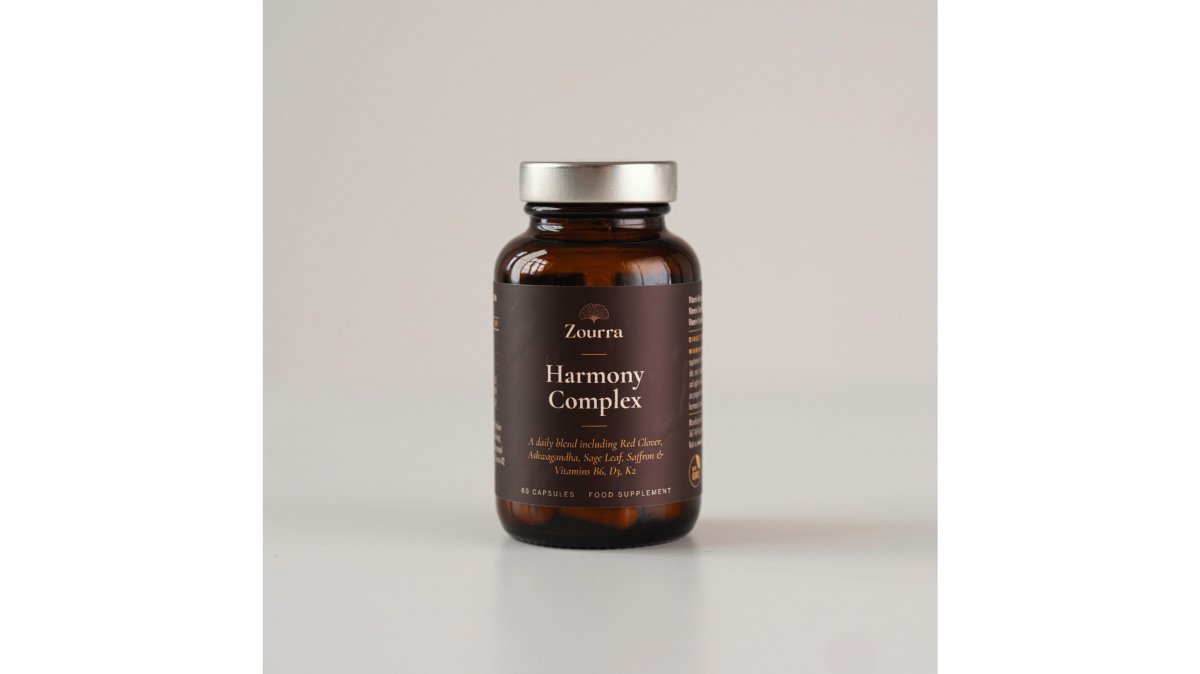
Harmony Complex Hormone Support Supplement (£39.00) supports hormone regulation and overall wellness. It contributes to normal psychological function and to the maintenance of normal bones, plus normal muscle function and immune system function. This is the better choice if your priority is broader hormonal support alongside healthy ageing.
Focus Complex Cognitive Support Supplement (£39.00) targets the mental side. It supports normal cognitive function, contributes to normal psychological function, helps reduce mental fatigue, and supports the normal functioning of the nervous system. Its formula includes CoEnzyme Q10 150mg, Choline (Citicoline) 175mg, Saffron Extract 30mg, Zinc Bisglycinate, Selenium, and Vitamins B6, D3 and K2.
| Supplement | Price | Main Focus | Best For |
|---|---|---|---|
| Desire Blend | £29.00 | Libido and hormonal activity | Desire and feeling present |
| Harmony Complex | £39.00 | Hormone regulation and wellness | Broader hormonal support |
| Focus Complex | £39.00 | Cognitive function and fatigue | Brain fog and mental fatigue |
Which Approach Is Right for You?
The right approach depends on which problem is loudest. If your days are disrupted by poor sleep, low mood, and fatigue, support-led formulas give you the fastest relief. If your main concern is desire and steadier mood, balance-led formulas are the better starting point.

Consider how long symptoms have been present. Recent, fluctuating symptoms often respond well to support. Long-standing patterns tend to need the balance approach, with more patience.
One honest limitation: no supplement replaces medical assessment. If symptoms are severe or unusual, speak to your GP first. Supplements sit alongside that care, not in place of it.
NHS information on menopause and hormone changes is worth reading before you decide, so you understand what is happening in your body.
Low libido during perimenopause and menopause is common, and it rarely has a single cause. The choice between symptom support and hormonal balance is really a choice about where to start, and Zourra makes that starting point clearer with UK-made, evidence-led formulas built for women over 40. Desire Blend supports hormonal activity and normal psychological function for £29.00, Harmony Complex covers broader hormone regulation at £39.00, and Focus Complex targets mental fatigue and cognitive function at £39.00, all backed by a 90-day guarantee from GMP-certified facilities. Find your formula and start with the approach that matches your symptoms.
Frequently Asked Questions
Does perimenopause cause a decrease in libido?
Yes. Falling oestrogen and testosterone levels during perimenopause commonly reduce sex drive. Fluctuating hormones also disrupt sleep, mood and energy, all of which affect libido. Research shows that around 40-50% of women report reduced sexual desire during this transition. Addressing the underlying hormonal imbalance, rather than only treating individual symptoms, often gives better results for libido.
Can magnesium supplements help with hormonal balance during menopause?
Magnesium plays a role in hormone regulation, energy production and nervous system function. A food supplement magnesium may support sleep quality and stress response, both of which affect hormonal balance and libido. It is not a standalone fix, but it works well alongside a broader formula containing botanicals and vitamins. Look for magnesium bisglycinate for better absorption.
What is the difference between general menopause support and libido-specific treatments?
General menopause support targets the full range of symptoms: hot flushes, mood changes, sleep disruption and fatigue. Libido-specific approaches focus directly on desire and arousal pathways. Many women find that improving overall hormonal balance naturally has a knock-on effect on libido, because better sleep, steadier mood and more energy all support sexual desire.
Are there natural ways to improve hormonal balance for libido?
Yes. Reducing alcohol, prioritising sleep, managing stress and eating phytoestrogen-rich foods can help. Targeted supplements containing botanicals and key nutrients also support hormonal activity. A daily formula designed for women over 40, taken consistently for at least eight to twelve weeks, is a practical starting point for most people.
When should I speak to a GP about low libido during menopause?
Speak to your GP if low libido is causing distress, if you have other unexplained symptoms, or if you are taking medication that may affect sex drive. Your GP can check for thyroid issues, anaemia or other conditions. They can also discuss HRT and whether it is appropriate for you. Supplements can complement, but not replace, medical advice.
